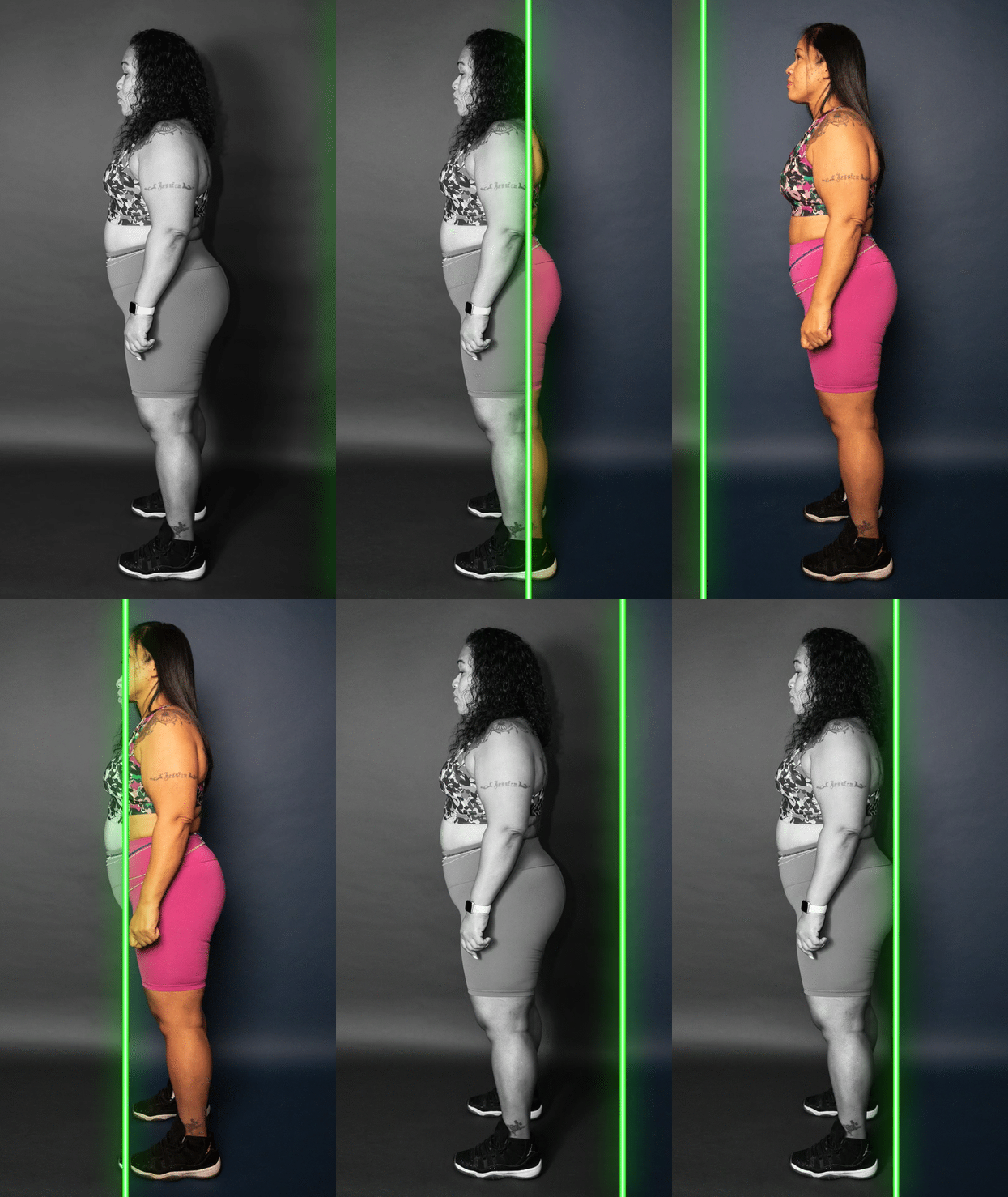
If you're over 40 and still spending most of your training time on cardio, you're working harder than you need to — and getting less of what your body actually needs.
Here's the truth: after 40, the most important variable in your training isn't your heart rate. It's how much muscle you're holding onto.
Why muscle matters more after 40
Starting in your 30s, you lose about 3–8% of your muscle mass per decade — and the rate accelerates after 60. This isn't just an aesthetic problem. Less muscle means slower metabolism, weaker bones, worse blood sugar control, and a higher risk of falls and injury.
The good news: strength training reverses every one of those things. Studies on adults in their 60s and 70s show that 12 weeks of progressive resistance training can rebuild muscle, increase bone density, and improve insulin sensitivity. The body still adapts. It just needs the right input.
The simplest starting point
You don't need a complicated program. You need consistency on the basics:
- Squat — every standing-up movement uses this pattern
- Hinge — picking things up from the floor without wrecking your back
- Push — pressing weight away from you, overhead or in front
- Pull — rows and pulldowns to keep your shoulders healthy
- Carry — walking with weight, the most underrated exercise after 40
Two to three sessions per week, 30–45 minutes each. Three sets of 8–12 reps per movement. Add weight gradually as it gets easy.
The trap to avoid
The most common mistake we see in adults over 40 isn't going too heavy. It's chasing soreness. Soreness isn't a sign of progress — showing up consistently is. The lifters who get the strongest aren't the ones who go hardest in any single session. They're the ones who show up Monday, Wednesday, and Friday for two years.
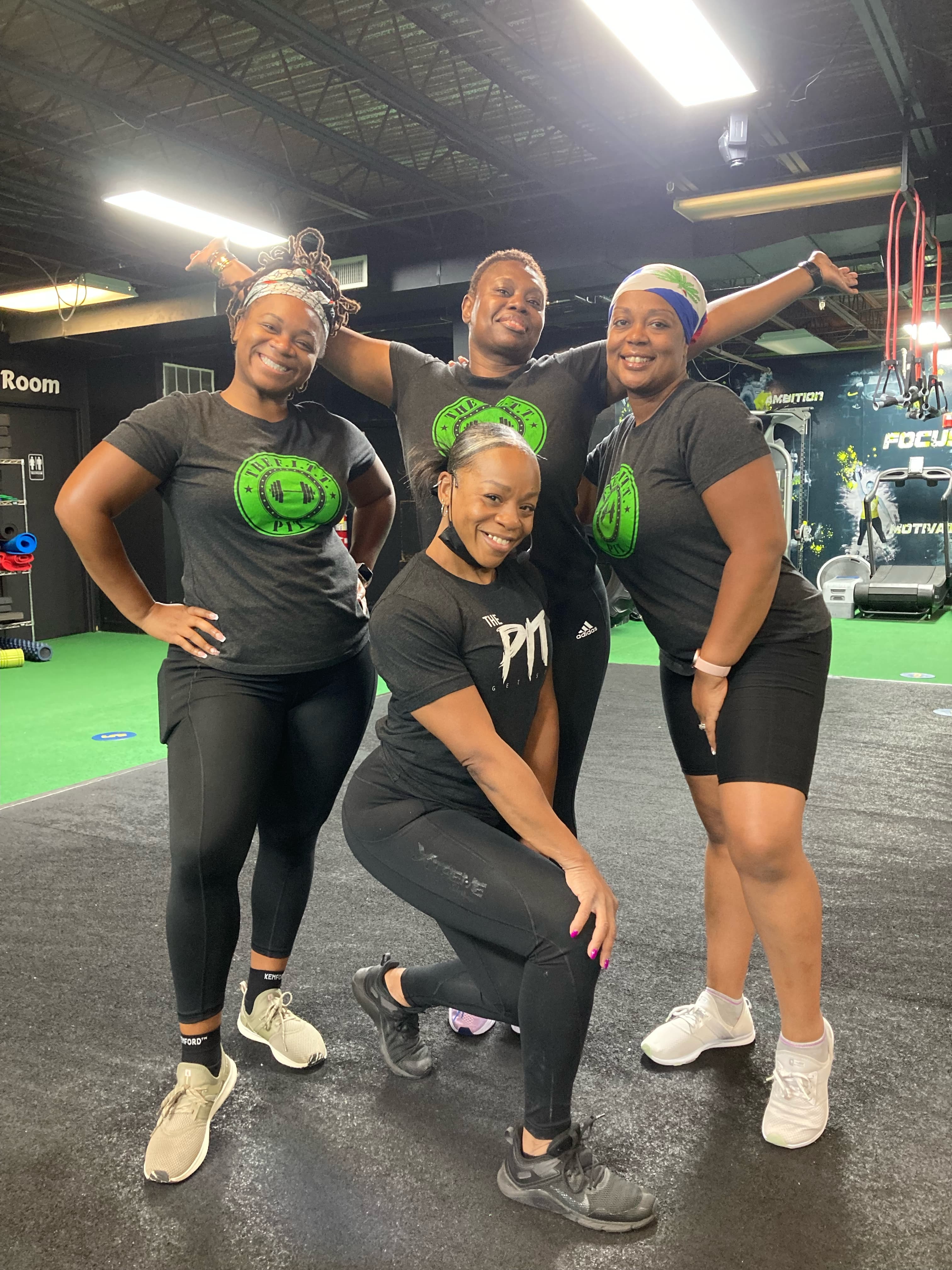
If you're not sure where to start, that's literally what our StrengthCamp program is built for. Small group, real coaching, programmed for adults whose bodies have lived. See how it works →
— Coach Andre