If you only change one thing about how you eat after 40, change your protein intake.
It's the single most overlooked, underdosed, highest-leverage variable for body composition, recovery, and energy. And it gets more important every year.
The anabolic resistance problem
Here's what changes after 40: your body becomes worse at building muscle from the protein you eat. Researchers call this anabolic resistance. The same 20g of protein that triggered a strong muscle-building response in your 20s now triggers a muted one. To get the same effect, you need more — about 30–40g per meal — and you need to spread it across the day.
How much protein do you actually need?
The default recommendation (0.8g per kg of body weight) was designed to prevent deficiency, not to optimize health. For adults over 40 who are training, the research supports something closer to:
- 1.6–2.2 grams per kilogram of body weight per day
- Or roughly 0.7–1.0 gram per pound
For a 170-pound adult, that's 120–170g of protein per day. Most people we see are eating half that.
The simplest framework
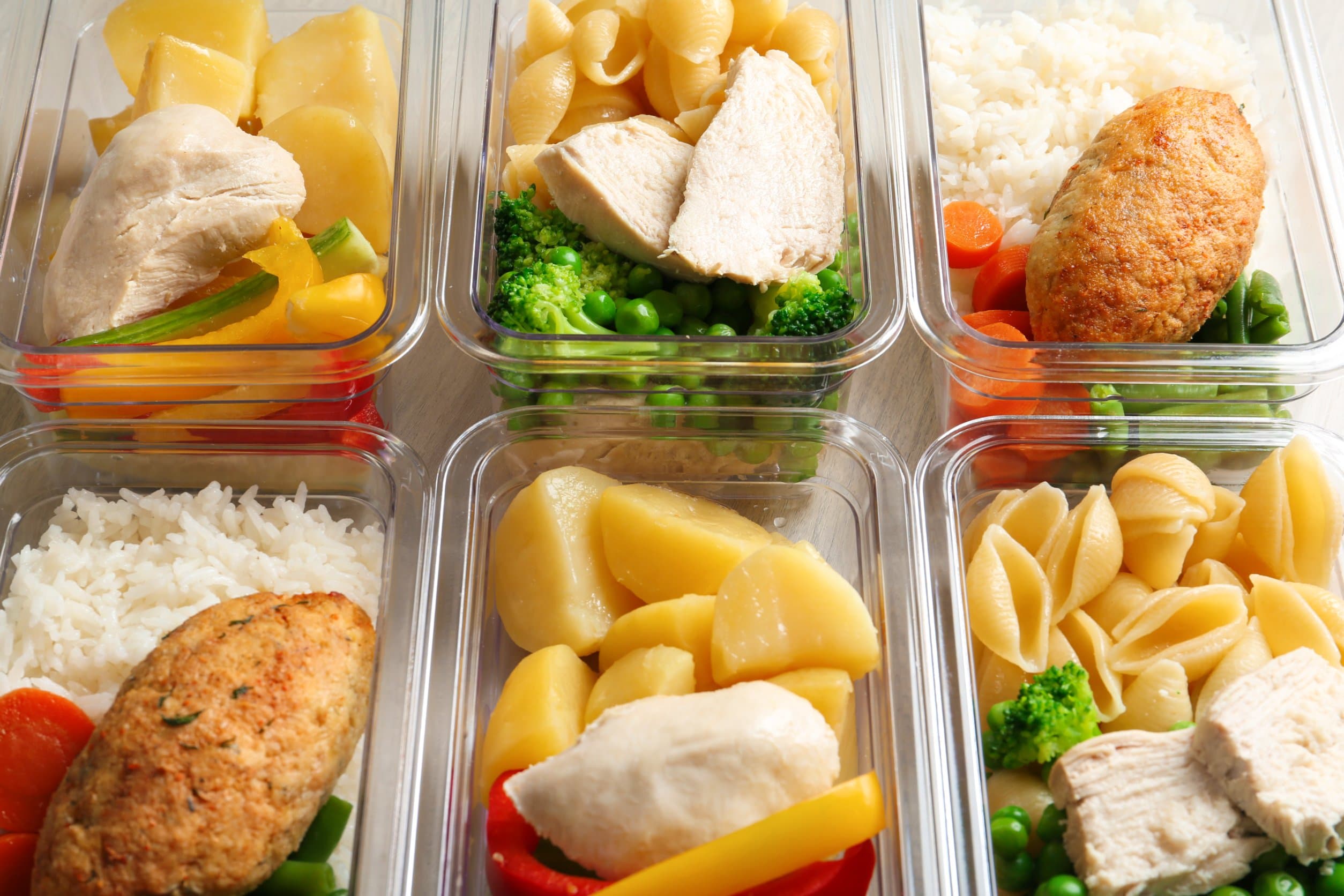
Don't overthink it. Aim for 30–40g of protein per meal, three meals a day. That gets most adults into the zone without obsessive tracking.
Examples of 30g of protein:
- 4 oz chicken breast
- 5 oz salmon
- 1 cup cottage cheese
- 3 large eggs + 1 cup Greek yogurt
- Two scoops of whey protein
The breakfast trap
The single biggest gap we see is breakfast. A bagel and coffee is 5g of protein. A bowl of cereal with milk is 10g. By the time most adults eat lunch, they're already 15g behind. Front-load protein in the morning and the rest of the day takes care of itself.
If you want this baked into your training plan instead of figured out alone, that's exactly what our coaching does. Find your path →
— Coach Andre